A Comprehensive Guide to Picking the Right Irrigation Solutions for Your Garden
Choosing the suitable Irrigation system is crucial for any type of yard's success. Different systems supply varying challenges and benefits. Comprehending the details requirements of plants, in addition to available water resources, can greatly affect development and sustainability. This guide will discover necessary considerations and choices, helping gardeners make educated choices. Yet, the concern remains: which system will ideal fit your unique garden atmosphere?
Understanding the Significance of Irrigation Equipments
Numerous gardeners may ignore the significance of Irrigation systems, their role in preserving healthy plants can not be undervalued. Correct Irrigation guarantees that plants get appropriate water, which is important for their growth and advancement. Without a dependable technique of watering, plants may experience stress and anxiety, leading to stunted development or perhaps death.
In addition to offering necessary hydration, Irrigation systems promote efficient water usage, helping to conserve this priceless resource. By delivering water directly to the origin area, these systems lessen evaporation and runoff, enabling even more sustainable gardening techniques.
A well-designed Irrigation system can help prevent dirt disintegration and nutrient leaching, even more supporting plant wellness. Understanding the importance of Irrigation systems empowers gardeners to make enlightened decisions, ultimately fostering thriving yards that are both efficient and beautiful
Kinds Of Irrigation Systems: An Introduction
Irrigation systems can be found in numerous types, each made to satisfy particular horticulture needs and problems. The most typical types consist of surface Irrigation, which entails water flowing over the soil surface, and is frequently used in big farming settings. Leak Irrigation delivers water straight to the plant roots with a network of tubes and emitters, however information on its benefits will be covered later on. Lawn sprinkler disperse water via a series of pipes and spray heads, mimicking natural rainfall and appropriate for numerous yard sizes. Subsurface Irrigation, where water is provided listed below the soil surface area, is efficient in conserving water and reducing dissipation. Ultimately, manual watering, while labor-intensive, allows for specific control over water application. Each system has its benefits and constraints, making it vital for garden enthusiasts to analyze their specific requirements before selecting.
Drip Irrigation: Factors To Consider and advantages
Leak Irrigation stands apart as an effective technique for providing water straight to the origins of plants, making it a recommended choice for numerous gardeners. This system reduces water waste by minimizing dissipation and overflow, permitting for precise water application where it is needed most. This targeted method not only saves water however also promotes much healthier plant development by staying clear of waterlogging and decreasing weed development.
An additional advantage of drip Irrigation is its versatility to different yard designs and plant types. Whether in increased beds, containers, or conventional rows, this system can be personalized to match specific demands. Nonetheless, there are factors to consider to bear in mind. Initial setup costs can be greater than typical approaches, and maintenance is necessary to stop blocking of emitters. In addition, gardeners must keep track of soil dampness degrees to ensure optimal Irrigation. Ultimately, drip Irrigation offers significant benefits for those seeking to improve their gardening performance.
Sprinkler Equipments: Pros and Cons
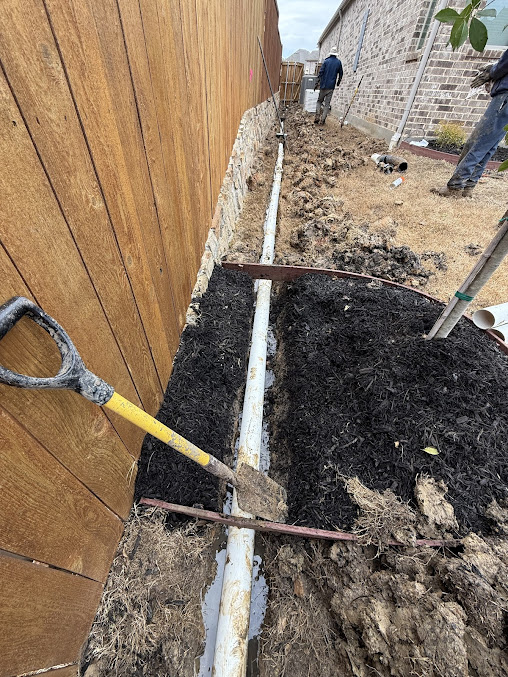
Furthermore, lawn sprinklers can add to fungal illness by moistening vegetation, which may be destructive to plant health and wellness. The preliminary installation price can be greater contrasted to less complex systems, and upkeep may be needed to stop blockages and assure peak efficiency. Ultimately, gardeners have to weigh these cons and pros to figure out if lawn sprinkler align with their specific watering demands and yard problems. Mindful consideration will lead to much more efficient Irrigation options that support healthy plant growth.
Soaker Hoses: A Basic Option for Watering
Soaker hoses supply a efficient and simple technique for watering yards, providing numerous benefits such as lowered dissipation and targeted wetness shipment. Proper setup methods can enhance their effectiveness, ensuring that water reaches the plant origins effectively. In addition, normal upkeep and care are vital to make the most of the lifespan and efficiency of soaker pipes.
Advantages of Soaker Pipes
While numerous gardeners look for effective ways to supply water to their plants, soaker tubes attract attention as a functional service. These hoses give a sluggish, steady release of water straight to the soil, ensuring deep origin hydration while lessening evaporation. This targeted watering approach not only conserves water yet likewise decreases the threat of fungal illness by keeping vegetation drier. Soaker pipes are especially advantageous for veggie gardens and blossom beds, as they promote much healthier plant growth and can improve plant yields. In addition, they are easy to establish and can be customized to fit different garden formats. In general, soaker tubes provide a cost-efficient and ecologically pleasant alternative for maintaining lavish, flourishing yards.
Installment Tips and Techniques
When planning to mount soaker hose pipes in a yard, correct techniques can considerably improve water performance and plant health and wellness. To start with, gardeners ought to lay the pipes along the base of plants, guaranteeing they are close to the origin zone for maximum absorption. It is recommended to set up the pipes in a serpentine pattern to cover more location while reducing water waste. The setup needs to consist of a pressure regulator to maintain constant water circulation. Additionally, securing the hose pipes with stakes or garden pins can avoid them from relocating or kinking. Gardeners must also inspect for any type of blockages, such as weeds or particles, while making certain the hose pipe is not buried as well deeply in the dirt, enabling reliable moisture circulation.
Upkeep and Care Guidelines
Regular maintenance is crucial for making best use of the long life and performance of soaker tubes in any garden. Gardeners should roberts landscaping on a regular basis look for blockages and clean the hose pipes to ensure suitable water circulation. Purging the pipes with an option of vinegar and water can assist remove natural resource. In addition, it is essential to evaluate the pipes for leakages or damage, replacing any kind of malfunctioning areas promptly. Throughout wintertime, hose pipes should be drained pipes, rolled up, and kept in a completely dry place to avoid cold and fracturing. Gardeners must monitor the dirt wetness degrees to change the watering regularity, making sure that the soaker hoses deliver appropriate wetness without over-saturating the soil. Appropriate care will boost the performance and life-span of soaker hose pipes.
Factors to Think About When Picking a Watering System
When selecting a watering system, several crucial elements need to be taken right into account - Sprinkler tune-up. The size of the yard, the schedule find more of water sources, and the certain watering demands of plants all play significant functions in determining the most efficient solution. Cautious factor to consider of these elements can cause an extra effective and reliable gardening experience
Yard Dimension Considerations
Selecting the proper Irrigation system often depends upon the dimension of the yard. For small gardens, drip Irrigation or soaker hose pipes might be ideal, offering targeted wetness without throwing away water. Conversely, larger gardens may call for extra extensive systems such as sprinkler configurations, which can cover higher locations successfully. Garden enthusiasts must also consider the layout; irregularly shaped plots may take advantage of adjustable or turning sprinklers, while rectangle-shaped areas can make use of fixed systems effectively. Additionally, larger gardens frequently demand a more robust facilities, including timers and pumps, to ensure uniform water distribution. Ultimately, comprehending the garden's dimensions enables tailored remedies that advertise healthy and balanced plant development while maximizing water use.
Water Source Accessibility
Just how does water resource schedule affect the selection of a watering system? Water source availability is a critical factor when picking a watering system for a garden. Gardeners should assess the closeness and dependability of possible water sources, such as wells, fish ponds, or local materials. Systems like drip Irrigation or soaker pipes may be more appropriate for gardens with minimal water pressure or supply, while automatic sprinkler could be better suited for those with plentiful water accessibility. Furthermore, the quality of water-- taking into consideration elements like salinity or contaminants-- can substantially influence plant health and Irrigation effectiveness. Assessing these components guarantees that the picked Irrigation published here system aligns with the yard's lasting methods and details requirements.
Plant Watering Demands
Water source accessibility establishes the phase for understanding plant watering needs, which play a considerable role in selecting an ideal Irrigation system. Each plant species has special water requirements influenced by variables such as development stage, root deepness, and ecological conditions. For example, freshly grown seed startings commonly need much more regular watering contrasted to developed plants (Sprinkler tune-up). In addition, climate plays an essential function; dry areas might necessitate systems that provide water a lot more successfully, while locations with greater rainfall might gain from easier options. Dirt type likewise impacts water retention and water drainage, leading the choice between drip Irrigation and lawn sprinkler. Inevitably, evaluating these variables guarantees that the selected Irrigation system aligns with the particular hydration needs of the garden's diverse plant life
Tips for Optimizing Your Watering Practices

It is likewise essential to keep an eye on climate condition frequently. Rainfall can reduce the demand for extra watering, and adjusting schedules accordingly can preserve water. Employing dirt wetness sensors can give useful understandings into when and how much to water, guaranteeing that plants receive ample hydration without overwatering. Grouping plants with comparable water needs with each other can improve Irrigation initiatives and promote performance. By carrying out these techniques, garden enthusiasts can improve their watering practices and assistance lasting garden monitoring.
Frequently Asked Concerns
How Do I Know if My Soil Requirements Irrigation?
To establish if soil calls for Irrigation, one should inspect dampness levels by excavating or utilizing a dampness meter. Signs like wilting plants and completely dry, fractured soil likewise show the need for extra water.
Can I Automate My Irrigation System?
The question of automating a watering system is significantly relevant for garden enthusiasts seeking effectiveness. Several modern systems offer automation options, such as timers and smart technology, permitting customized watering schedules based on particular yard demands.
What Is the Best Time to Water My Garden?
The most effective time to sprinkle a garden is early morning or late afternoon. Throughout these cooler durations, dissipation is decreased, permitting plants to absorb more water, promoting healthier growth and decreasing water waste.
Exactly how Usually Should I Inspect My Irrigation System?
The regularity of examining a watering system need to preferably be once a week during expanding periods. Normal inspections help identify clogs, leakages, or inadequacies, ensuring efficient water shipment and promoting healthy plant development in the yard.
What Upkeep Does an Irrigation System Need?
An irrigation system requires regular upkeep, consisting of looking for leaks, cleaning filters, readjusting timers, and inspecting sprinkler heads. Seasonal analyses assure reliable water distribution and avoid potential damages, inevitably promoting a healthy yard atmosphere.
Subsurface Irrigation, where water is delivered listed below the dirt surface, is reliable in saving water and decreasing evaporation. The dimension of the garden, the schedule of water resources, and the particular watering requirements of plants all play significant duties in figuring out the most efficient remedy. Water resource availability is an essential aspect when selecting a watering system for a garden. Solutions like drip Irrigation or soaker hoses might be much more appropriate for yards with limited water stress or supply, while sprinkler systems could be much more ideal for those with abundant water accessibility. Water resource accessibility establishes the stage for understanding plant sprinkling needs, which play a substantial role in selecting an ideal Irrigation system.
Comments on “Why Drip Foundation systems are essential for eco-friendly gardening”